
Case Study - Project #287
24-Room Historic Boutique Hotel | Massachusetts, USA
The History Was Still Relevant. The Story Needed a Next Chapter.
The Scope
KRG Stay Intensive. Assessment. Strategy. Coaching.
The Overview
13%
Uplift in Occupancy Points
$34
Increase in ADR
7%
Uplift in NOI Points
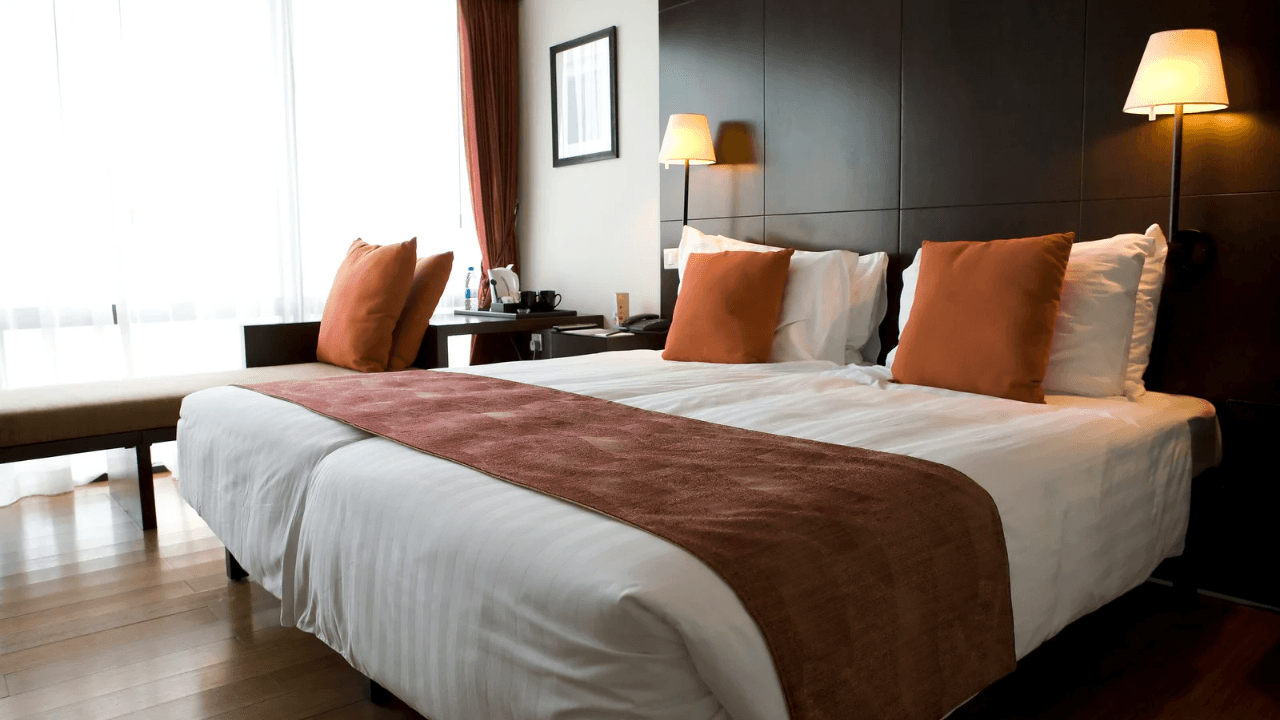
An established historic boutique hotel had spent years building its reputation around character, heritage, and local hospitality. But as competitors began telling similar stories, its positioning was losing impact. We helped the property rediscover its competitive advantage, strengthen its community connections, and create a more compelling guest experience without abandoning the identity that made it special.
The Brief
The property had something many boutique hotels spend years trying to create.
History. Authenticity. Character.
For years, this 24-room historic hotel in Massachusetts had built its reputation around its architecture, local heritage, and intimate guest experience.
The hotel was established, recognized within its community, and had a loyal base of returning guests. But the story was becoming familiar.
New boutique hotels and renovated historic properties across the region were entering the market with similar positioning. They were highlighting architectural heritage, local stories, personalized hospitality, and connections to the surrounding community.
What had once made the hotel distinctive was increasingly becoming an expectation.
The property was still delivering a quality experience, but its marketing, programming, and guest engagement had changed very little over the years.
Weekend demand remained relatively dependable. Midweek occupancy was inconsistent. Average daily rates were under pressure, and the property depended heavily on third-party booking platforms.
The owners were beginning to question whether a complete rebrand or significant property refresh was necessary to regain momentum.
We saw a different opportunity.
The hotel did not need to forget its past. It needed to give guests a stronger reason to become part of its future.
The Opportunity
Our initial assessment focused on understanding why an established, well-regarded property was losing its ability to stand apart.
We evaluated financial performance, revenue strategy, competitive positioning, booking channels, guest feedback, marketing, operating systems, and the experiences being delivered throughout the guest journey.
We also reviewed how competing properties were communicating their own stories.
The findings revealed a growing relevance gap.
The hotel’s history was authentic, but it had become the primary message rather than the foundation for a broader experience.
Competitors were now communicating similar promises. Historic charm. Local character. Personalized service. Memorable stays.
The hotel was competing in a market where those messages were no longer enough on their own.
The solution was not an expensive identity overhaul.
It was about strengthening the existing brand, introducing new reasons to visit, and creating a more dynamic relationship between the property, its community, and its guests.
We developed a strategy to help the hotel write its next chapter, connecting its heritage with contemporary experiences, stronger local partnerships, and more intentional revenue management.
The past remained an important part of the story. But the future needed something new to say.
An established historic boutique hotel repositioned for renewed relevance, stronger profitability, and long-term asset value, without losing the character and identity that made it special.
The Clarity
We Evolved the Positioning Without Replacing the Brand.
The property already had recognizable brand equity, established visual elements, and a meaningful history.
Discarding those assets would have introduced unnecessary costs and risked alienating loyal guests.
Instead, we refined the hotel’s positioning around what made it relevant today.
We looked beyond its architecture and heritage to identify the experiences, atmosphere, service, and local connections that could make it distinctive again.
The messaging was updated across its website, booking channels, guest communications, and marketing campaigns.
The property retained its identity while communicating a more contemporary and compelling reason to stay.
The objective here was to make the existing story matter again.
We Created New Experiences That Gave Guests Reasons to Return.
History is an asset, but it cannot be the only experience a property offers.
We developed a manageable calendar of seasonal programming, intimate gatherings, and curated experiences that could evolve throughout the year.
These initiatives were designed to appeal to both new and returning guests.
Rather than relying entirely on static amenities and familiar historical references, the hotel could create fresh experiences connected to local culture, food, craftsmanship, and seasonal traditions.
Each activation had a commercial purpose. Generate room demand, encourage longer stays, increase guest spending, or introduce new audiences to the property.
The programming was intentionally intimate and manageable for a 24-room operation.
We Made Local Partnerships Part of the Competitive Advantage.
Competing historic hotels could tell similar stories.
But they could not replicate every relationship the property had within its own community.
We helped strengthen partnerships with local restaurants, artisans, galleries, cultural organizations, and experience providers.
These relationships supported curated itineraries, exclusive packages, and guest experiences that connected the hotel more meaningfully to its surroundings.
The strategy also created opportunities for collaborative marketing and shared audiences.
Instead of carrying the full cost of new amenities or experiences, the hotel could work with established local businesses.
The community became an active part of the guest experience rather than simply a feature mentioned in marketing materials.
We Reintroduced the Hotel to its Own Community.
Over time, the property had become more focused on overnight visitors than the people living and working around it.
We helped develop a more purposeful local engagement strategy.
Small gatherings, seasonal collaborations, cultural programming, and partnerships created reasons for residents to reconnect with the property.
The hotel was not attempting to become a large event venue.
It was creating carefully selected opportunities for community engagement that complemented its boutique identity.
Local awareness supported referrals, special-occasion bookings, and greater visibility among potential guests visiting the region.
We Improved the Revenue Strategy Behind the Experience.
For a hotel with only 24 guestrooms, there is limited room for underperforming inventory.
Our assessment identified opportunities to improve pricing decisions, distribution costs, direct bookings, and demand during traditionally softer periods.
We refined the revenue approach around seasonal patterns, weekday and weekend demand, guest segments, and the value of curated experiences.
Direct booking incentives, improved website messaging, and targeted guest communications helped strengthen the property’s relationship with its customers.
The goal was not simply to increase occupancy.
It was to attract higher-value bookings, improve revenue per available room, and create incremental spending opportunities without introducing unnecessary operating costs.
We Coached Leadership to Make the Next Chapter Sustainable.
A refreshed positioning strategy means little if it never becomes part of daily operations.
Through ongoing coaching, we worked with leadership to establish clearer priorities, guest engagement standards, partnership processes, and performance reporting.
The team developed a more disciplined approach to evaluating programming, reviewing financial performance, managing guest feedback, and coordinating marketing initiatives.
Instead of launching a collection of disconnected ideas, the property gained a structured operating rhythm.
The owners retained what made the hotel special while giving the leadership team a clearer path for continuous improvement.
The Results
The transformation focused on building greater commercial value from an established property rather than investing in a complete rebrand or extensive renovation.
The stabilized performance here in just 6-12 months demonstrates how improved positioning, guest engagement, partnerships, and revenue management can translate into stronger financial outcomes.
Average Occupancy | 54% -> 64%
Average Daily Rate | $219 -> $253
Annual Property Revenue | $1.19M -> $1.72M
Direct Booking Share | 26% -> 42%
Net Operating Profit | $286K -> $533K
For a 24-room hotel, these changes represent an average of just over three additional occupied rooms per night, a US$34 improvement in average daily rate, and stronger revenue generation from guest experiences and community partnerships.
The shift toward direct bookings also created opportunities to reduce distribution costs and strengthen long-term relationships with returning guests.
Beyond the financial performance, the property developed a more relevant market position.
It had a stronger reason for guests to choose it over competing historic accommodations. Its community partnerships became more intentional. Its guest experience had greater variety and a clearer connection to the destination. And its leadership team gained systems to sustain that momentum without relying on constant reinvention.
The hotel did not need a new name, a completely different identity, or an expensive transformation to become competitive again.
It needed clarity around what should remain, what needed to evolve, and what would make the next generation of guests choose it.
The property’s history had always been worth sharing.
Now it had a new chapter worth experiencing.
The Next Steps
Complete Your Scorecard

Properties underperform when investment, operations, leadership, tech, positioning, and experience are moving in different directions. See your opportunity in just a few minutes.
KRG Hotel Performance

We assess the complete property, identify what is restricting its potential, and build a focused strategy that protects the investment, strengthens performance, and creates a better stay for everyone.
Free Masterclass

Join KRG Principal Coach & Consultant, Doug Radkey, for a live and practical review of where your hotel profit may be slipping away and how to choose and maximize your next move.
The Related Projects

See how a 28-room motel refreshed its brand, introduced a community-focused grazing bar, and improved guest experience and revenue strategy.
Explore how a 112-room Florida resort paired phased renovations with wellness, guest experience, and revenue strategy to strengthen its market position.