
Case Study - Project #198
112-Room Wellness Resort | Florida, USA
The Resort Needed More Than a Renovation. It Needed a New Direction.
The Scope
KRG Stay Intensive. Assessment. Strategy. Coaching.
The Overview
30%
Increase in RevPAR
+2.05M
In Generated Revenue
+6 Points
Net Operating Income
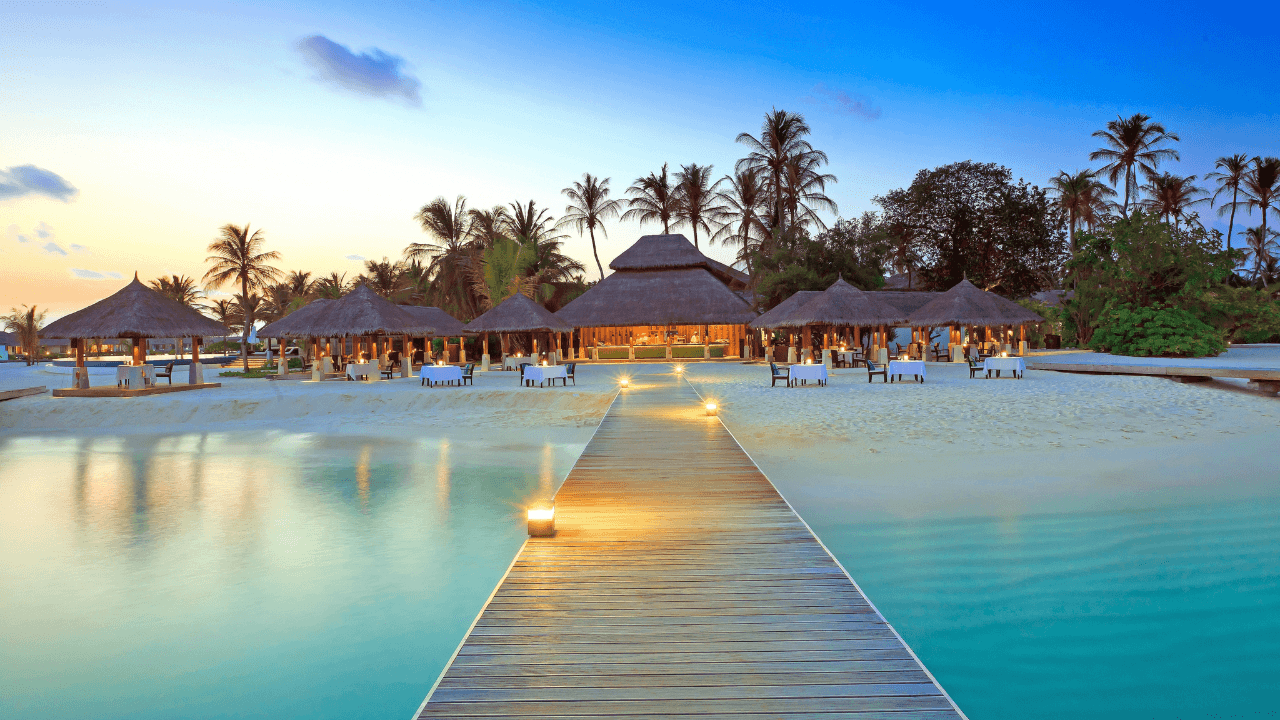
An established Florida resort was preparing to invest in renovations to reverse declining relevance. We helped reshape the investment strategy, modernize the guest experience, and reposition the business for stronger revenue and profitability, while protecting the character that had made the property special.
The Brief
The resort had many of the elements independent hotel owners want.
112 guestrooms. Wellness facilities. Food and beverage outlets. Outdoor amenities. Established grounds and a history of welcoming returning guests.
But the property was showing its age.
Newer resorts were attracting attention with stronger branding, modern technology, curated wellness programming, and more connected guest experiences.
The resort’s traditional strengths were becoming less visible in a competitive market.
Its guestrooms needed updating. Several public areas felt dated. Guest expectations had changed, and the property’s revenue performance was no longer reflecting the full potential of its amenities.
The ownership group’s initial plan was straightforward.
Renovate the property. Refresh the rooms. Update the common areas. Improve the appearance and attract new guests.
There was nothing inherently wrong with that direction.
But spending money on a renovation without first addressing the business model carried a significant risk.
The owners could end up with a better-looking resort operating much the same way it had before.
The Opportunity
Our assessment began with a broader question.
What should this resort become, and what would make that direction financially worthwhile?
We reviewed the property’s financial performance, guest segments, revenue channels, departmental profitability, operating systems, physical assets, and competitive position.
The assessment examined how guests used the resort, where revenue was being missed, which amenities were performing, and where operational complexity was reducing profitability.
It also identified an important distinction.
The property did not need to abandon its heritage, focus on wellness, or become another ‘generic’ modern-day resort.
Its setting, personal hospitality, wellness program, outdoor spaces, and connection to returning guests remained valuable.
What needed to change was how those strengths were presented, experienced, and monetized.
The strategy connected renovation priorities with repositioning, revenue growth, operating efficiencies, and a more relevant guest experience.
Just as importantly, the changes needed to happen in phases.
Closing or disrupting the entire resort at once would have introduced unnecessary financial pressure.
A resort repositioned for the modern guest, with a more valuable operating model and a capital improvement strategy connected to long-term asset performance.
The Clarity
We Challenged the Renovation Plan Before Major Spending Decisions.
Instead of treating the refurbishment as a cosmetic project, we helped ownership evaluate investments based on guest impact, operating requirements, revenue potential, and capital priorities.
Guestrooms, public spaces, wellness facilities, food and beverage, and outdoor amenities were evaluated as parts of one connected business.
The result was a phased improvement strategy built around more than visual appeal.
Every major investment needed a clear purpose.
We Protected the Resort’s Character While Modernizing its Position.
The repositioning strategy focused on restoring the property’s relevance without erasing the qualities that had attracted guests over the years.
Its sense of place, personal service, established grounds, and relaxed atmosphere remained central.
The brand story, guest communications, visual identity, service expectations, and amenity positioning were refined around a more contemporary resort experience.
This created greater clarity about who the property wanted to attract and what those guests should expect.
We Phased the Improvements to Protect Revenue.
Rather than undertaking a disruptive property-wide overhaul, the renovation was organized into manageable phases.
Guest-facing improvements and operational quick wins were prioritized first.
Guestroom work was organized by sections, with the objective of maintaining usable inventory and protecting higher-demand periods wherever practical.
Additional improvements to wellness, dining, and outdoor areas could then be coordinated with operating needs and guest demand.
The phased approach gave ownership more control over capital deployment, construction disruption, and business continuity.
We Gave Wellness, Food and Outdoor Amenities a Stronger Commercial Role.
The resort had multiple amenities, but they were not contributing to revenue as effectively as they could as part of the total guest revenue management strategy.
We developed a more connected programming strategy around wellness experiences, food and beverage, outdoor activities, and curated resort packages.
Opportunities included bookable wellness experiences, seasonal dining activations, outdoor programming, and packages designed around relaxation, recreation, and short escapes.
The strategy also evaluated opportunities to attract local residents and day guests for selected amenities.
Each offer was considered through the lens of revenue potential, margin, guest value, and operational capacity.
The objective was to grow spending beyond the guestroom without creating unnecessary labour or operating complexity.
We Modernized the Journey Without Removing Personal Hospitality.
Technology improvements were designed to make the experience easier for guests and more manageable for employees.
This included more connected reservation systems, revenue management, direct booking opportunities, pre-arrival communications, and simplified access to spa, dining, and resort experiences.
The technology supported the team rather than replacing the personal connection many repeat guests valued.
Guests gained more convenience. Management gained stronger information and better control.
We Coached Leadership Through the Transition.
A renovation can change how a property looks.
It does not automatically change how employees work, how managers make decisions, or how a business performs.
Through ongoing coaching, we helped leadership connect departmental financial targets, service standards, guest feedback, labour planning, and revenue performance to the evolving resort strategy.
The team had clearer accountability for room revenue, wellness participation, food and beverage contribution, booking performance, and the guest experience.
As phases were completed, performance reviews informed the next round of decisions.
The repositioning became an operating strategy, not simply a construction project.
The Results
The stabilized annual model here demonstrates the potential impact of combining capital improvements with revenue strategy, operating discipline, and guest experience development.
The transformation generated approximately US$2.05 million in additional annual property revenue and US$930,000 in additional annual gross operating profit.
Room revenue benefited from improved occupancy, rate positioning, and guest demand.
Wellness, dining, and outdoor programming contributed to higher non-room revenue, while stronger management systems and operating controls supported improved profitability.
Note: These outcomes reflect a stabilized operating year after renovation.
The investment also created a different strategic position for the property.
Instead of competing primarily on renovated accommodations and existing amenities, the resort had a more connected experience, clearer audience, and a stronger framework for generating returns from its assets.
Most importantly, the phased strategy helped protect what made the property special.
The charm remained. The guest experience evolved. The business had a clearer direction.
The Next Steps
Complete Your Scorecard

Properties underperform when investment, operations, leadership, tech, positioning, and experience are moving in different directions. See your opportunity in just a few minutes.
KRG Hotel Performance

We assess the complete property, identify what is restricting its potential, and build a focused strategy that protects the investment, strengthens performance, and creates a better stay for everyone.
Free Masterclass

Join KRG Principal Coach & Consultant, Doug Radkey, for a live and practical review of where your hotel profit may be slipping away and how to choose and maximize your next move.
The Related Projects
Discover how a 24-room Massachusetts historic hotel refreshed its story, expanded community partnerships, and evolved without a costly full rebrand.

See how a 28-room motel refreshed its brand, introduced a community-focused grazing bar, and improved guest experience and revenue strategy.