
Case Study - Project #254
28-Room Independent Motel | Alberta, Canada
The Entire Business Model Needed Reinvention.
The Scope
KRG Stay Intensive. Assessment. Strategy. Coaching.
The Overview
31% Increase
Average Occupancy
24% Increase
Average Daily Rate
36% Increase
Total Guest Revenue

A renovated main-street motel was losing relevance as newer accommodations and changing guest expectations reshaped the local market. By rethinking its positioning, creating a community-focused food and beverage experience, and modernizing its revenue and operating systems, we helped transform an overlooked property into a more competitive business and a gathering place for locals and visitors.
The Brief
The property had 28 rooms, a recognizable location along the main street of a small Alberta town, and decades of history serving travellers and the surrounding community.
The owners had already invested in renovating the guestrooms.
But the business was not responding as expected.
Newer accommodation options in surrounding communities, short-term rentals, and evolving traveller expectations were putting pressure on occupancy and room rates.
The property was still being perceived as an aging roadside motel, despite improvements to its rooms.
Weekday demand from business travellers and regional workers was inconsistent. Weekend bookings relied heavily on people visiting friends and family or attending local events. The motel offered few reasons for guests to spend beyond their accommodation.
And despite its prominent main-street location, the property had little meaningful engagement with the local community.
The owners believed additional renovations and more marketing might help.
Our assessment revealed a different opportunity.
The Opportunity
The property did not need to become a luxury boutique hotel.
It needed to become a better version of what it already was.
Our assessment examined the motel’s financial performance, local competition, booking channels, pricing strategy, operating systems, guest experience, and underutilized spaces.
The findings revealed several opportunities.
The renovated rooms provided a stronger product, but there was little differentiation in how the property was positioned or marketed.
The booking experience was outdated. Rates were largely static. Direct guest relationships were limited, and the property was not capitalizing on local events, regional business travel, or partnerships.
Perhaps the largest missed opportunity was right outside its doors.
The main street had local businesses, residents, community gatherings, and visitors, yet the motel was operating almost entirely as a place to sleep.
What if the property could become somewhere people wanted to stop, meet, eat, and spend time?
We developed a strategy to reconnect the motel with its community, create incremental revenue opportunities, and establish a more sustainable operating model.
The outcome: A small-town motel repositioned as a modern, community-connected accommodation business, with stronger revenue opportunities, more efficient operations, and a more valuable long-term asset.
The Clarity
We Repositioned the Motel Around its Small-Town Character.
Rather than attempting to imitate newer boutique hotels, we focused on the property’s existing strengths. Its convenient location, renovated guestrooms, approachable hospitality, and connection to the town.
We refined the brand identity, messaging, and digital presence to communicate a more welcoming and contemporary experience.
The objective was simple. Give travellers a reason to choose the property beyond the lowest available room rate.
We Created a Gathering Place for Locals and Guests.
One of the most meaningful changes came from rethinking an underutilized common area.
Instead of investing in a traditional restaurant with expensive kitchen equipment, staffing, and operating requirements, we developed a relaxed, grazing-style food and beverage concept.
The offer featured Alberta-inspired cheese and charcuterie boards, locally sourced products, shareable snacks, warm dips, flatbreads, coffee, and curated beverages.
The menu was deliberately simple. Limited preparation, manageable inventory, and opportunities to use regional suppliers.
The space became somewhere locals could meet after work, catch up with friends, or enjoy a casual evening without committing to a full restaurant experience.
For overnight guests, it offered a convenient and welcoming alternative to leaving the property.
Food and beverage became more than an amenity. It became a reason to visit.
We Connected the Motel to the Local Economy.
The property had been relying too heavily on guests who happened to need accommodation in the area.
We introduced a more proactive approach to generating demand.
Partnerships with local businesses, employers, event organizers, and community organizations created opportunities for preferred accommodation arrangements, visitor packages, and promotional collaborations.
We also developed offers around regional events, family celebrations, small-town festivals, and weekend escapes.
These initiatives helped the property become more visible within its market and less dependent on passive bookings.
We Modernized the Systems Behind the Experience.
The existing reservation and pricing approach was limiting revenue potential.
We introduced a more connected property management system (PMS), revenue management tools, improved direct booking capabilities, and a simple returning-guest engagement strategy.
Pricing could now respond more effectively to seasonal demand, local events, and occupancy patterns.
The direct booking experience became easier, while guest communications created more opportunities to promote food and beverage, local partnerships, and repeat stays.
For a 28-room property, even a few additional occupied rooms per night can make a significant financial difference.
We Coached the Team to Operate Differently.
The strategy required more than new systems and a refreshed brand.
Through ongoing coaching, we worked with leadership to improve daily operating routines, guest engagement, food and beverage consistency, local marketing execution, and financial accountability.
The focus was on creating simple, repeatable systems that a small team could manage without unnecessary complexity.
The property needed to generate more revenue, but it also needed to remain operationally practical.
The Results
The transformation was not about adding more guestrooms or becoming something the property was never intended to be.
It was about making the existing asset work harder, creating reasons for people to visit, and building a stronger connection between the motel and its market.
The results reflect the combined potential of stronger room demand, more effective pricing, and additional guest spending.
The repositioned motel could now attract a broader mix of business travellers, regional visitors, and guests attending community events.
The food and beverage concept also created opportunities to generate revenue from local residents, helping the property establish relevance beyond overnight accommodation.
With improved booking technology, more purposeful marketing, and clearer operating systems, leadership gained greater visibility and control over performance.
The motel’s role within its town began to change.
It was no longer simply a place where travellers checked in and checked out.
It had the potential to become an active contributor to its main street, a partner to other local businesses, and a more welcoming destination for both visitors and residents.
And the transformation created a foundation for continued growth through community programming, partnerships, and repeat-guest initiatives.
The guestrooms had already been renovated.
What the business needed was a reason for people to choose them, and a reason to come back.
The Next Steps
Complete Your Scorecard

Properties underperform when investment, operations, leadership, tech, positioning, and experience are moving in different directions. See your opportunity in just a few minutes.
KRG Hotel Performance

We assess the complete property, identify what is restricting its potential, and build a focused strategy that protects the investment, strengthens performance, and creates a better stay for everyone.
Free Masterclass

Join KRG Principal Coach & Consultant, Doug Radkey, for a live and practical review of where your hotel profit may be slipping away and how to choose and maximize your next move.
The Related Projects
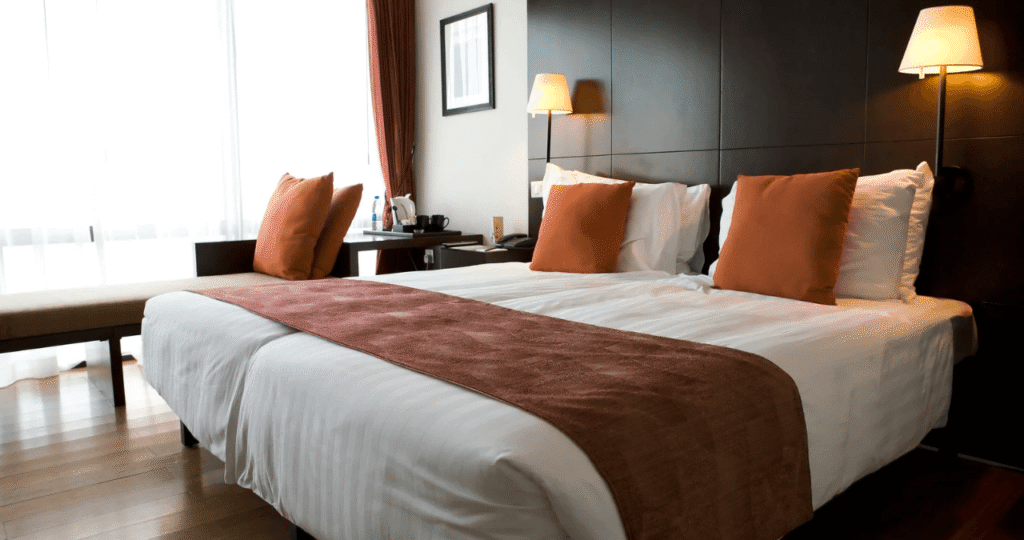
Discover how a 24-room Massachusetts historic hotel refreshed its story, expanded community partnerships, and evolved without a costly full rebrand.
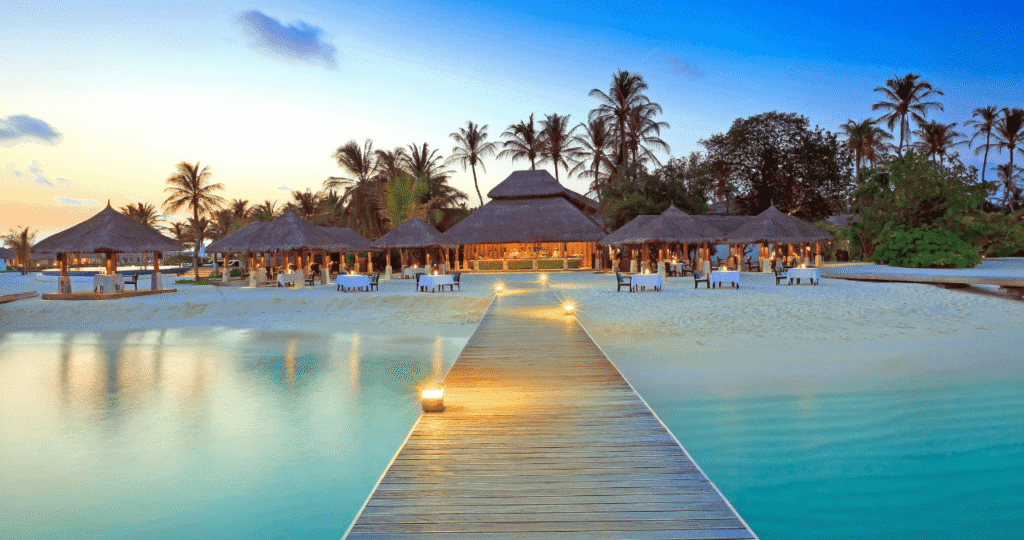
Explore how a 112-room Florida resort paired phased renovations with wellness, guest experience, and revenue strategy to strengthen its market position.